
Current vacancies
For the area of personal assistance
- Full-time or part-time team leader (min. 30 hours/week) - Job profile ►
- Personal assistance in Hemhofen - Job profile ►
- Personal assistance in Erlangen „Anita“ - - Job profile ►
- Personal assistance in Herzogenaurach „Rene“ - - Job profile ►
For the Participation Counseling Center Northeast Franconia (EUTB®)
- Social education worker - Job profile ►
For the Counseling.Education.Encounter. (OBA)
- Internships for students - Job profile ►
Become part of our team now
Unsolicited applications are always welcome.
Applications by email to: briefkasten@zsl-erlangen.de or via online application form
Working as a personal assistant


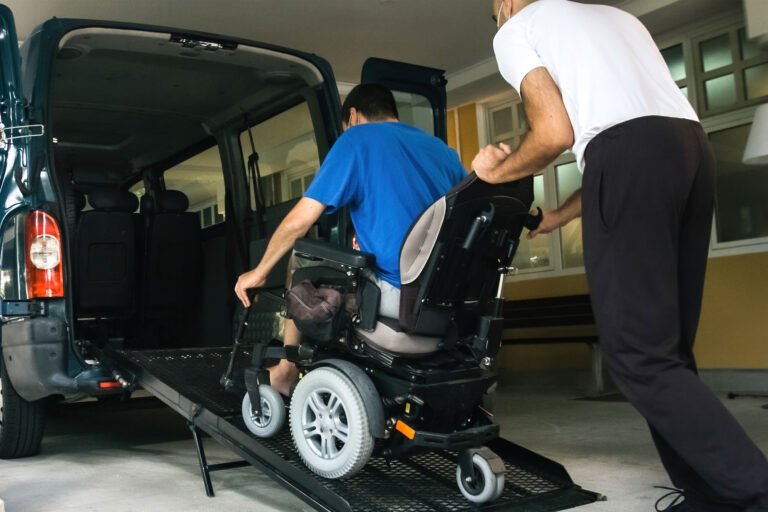

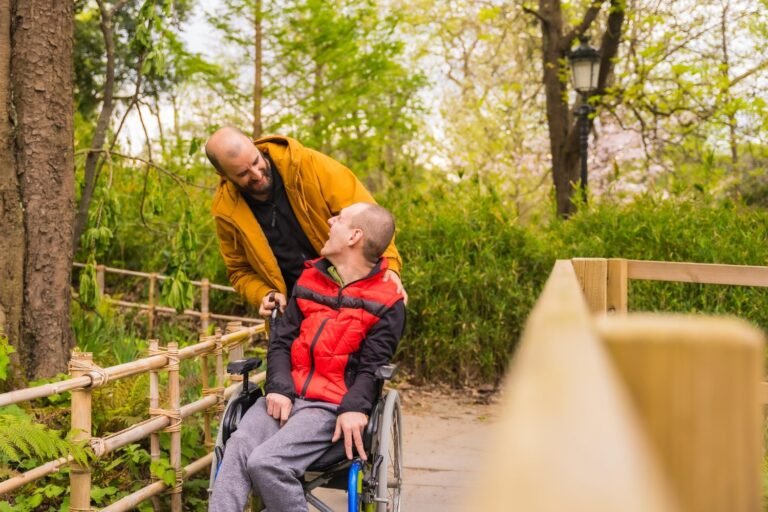
The Zentrum für Selbstbestimmtes Leben Behinderter e.V. (ZSL e.V.) in Erlangen is committed to enabling people with disabilities to lead a self-determined and active life.
To strengthen our team we are looking for committed Assistants (m/f/d).
We are looking for reliable people who take responsibility and are open and empathetic to different life situations.
Together
Participation
enable
Why
Personal
Assistance
is more
as a job
Personal assistance creates the basis for social participation. At the same time, this work offers great personal and professional development opportunities:
Sensitivity to the reality of life for people with disabilities
varied tasks
A sense of achievement in everyday life
Assuming social responsibility
Appreciative feedback from assistant users
As an assistant, you usually work with a permanent person and accompany them in their everyday life.
Trusting cooperation forms the basis of your work. With interest, courage and openness, you will grow into this meaningful task.
Before you apply as an assistant, please think briefly about whether the job is a good fit for you:
Are you prepared, if desired, to spend longer shifts (up to 24 hours or more) with a person who is initially a stranger and to adapt to their wishes and habits in everyday life (e.g. daily routine, leisure time, household, tidiness)?
Can you imagine helping with personal hygiene?
Do you deal with closeness, potential conflicts and feedback in a respectful and solution-oriented manner?
No training or previous experience is required: you will be trained individually. If you have experience or training in the social, nursing or medical field, you are also very welcome.
Their use as
Assistant
- Requirements
Possible
Areas of responsibility
Depending on the needs of the person receiving assistance, your activities may include
Support in the personal environment
Accompaniment for activities outside the home
Nursing support
Help in the household
On-call duty as well as night, weekend and holiday shifts
Specially qualified specialists are deployed for assistance users who require ventilation.
The assignments are based on the individual needs of our customersinside.
Weekend, public holiday and night on-call duties are **jointly agreed with the assistants.planned inside**.
Working hours &
Planning
Arbeiten als Schulbegleitung
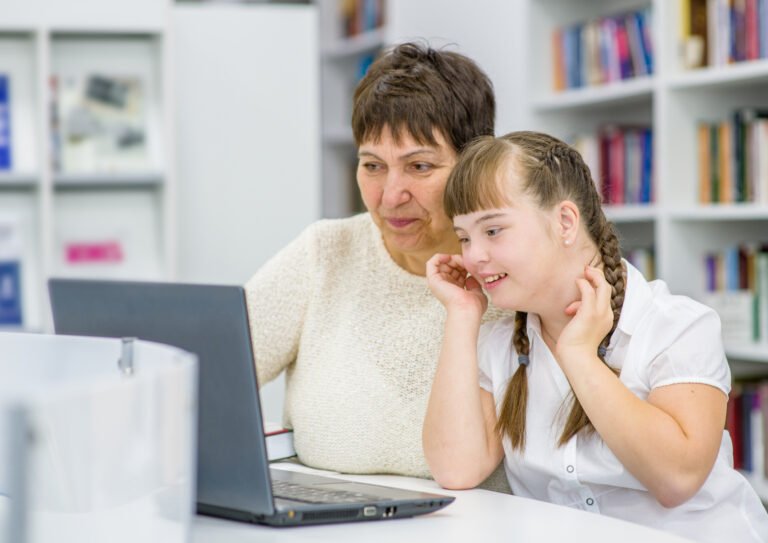
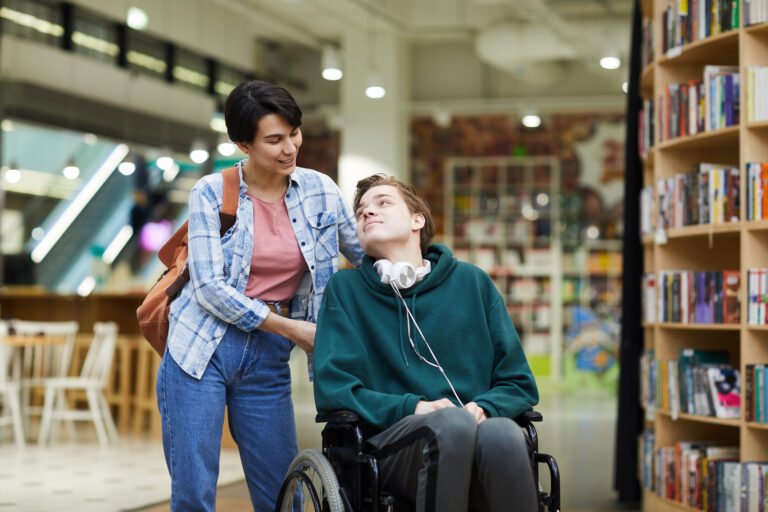

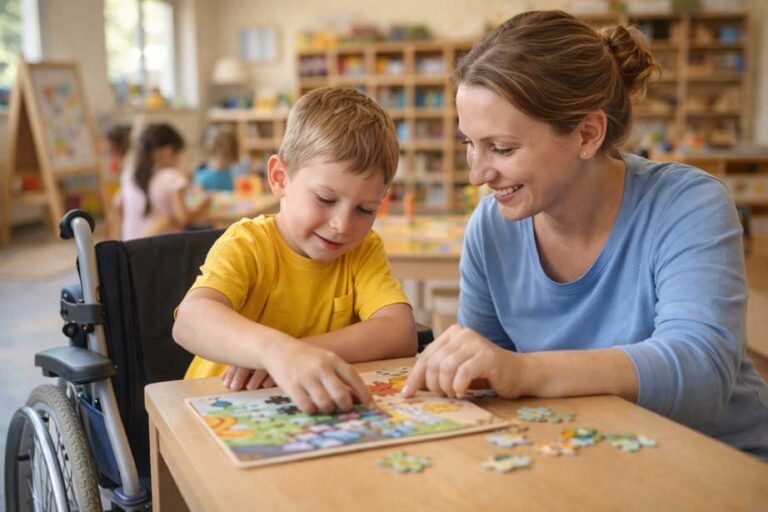

In der Schulbegleitung (Schule/Uni) oder Individualbegleitung (Krippe/Kindergarten) arbeiten je nach Förderbedarf und Erkrankung des Kindes Hilfskräfte (ohne pädagogische Ausbildung), qualifizierte Hilfskräfte (mindestens 2-jährige pädagogische Ausbildung, z. B. Kinderpflegerinnen) und Fachkräfte (mindestens 3-jährige pädagogische Ausbildung, z. B. Erzieherinnen).
Rollen und Qualifikation in der Begleitung
Ziel der Schulbegleitung als Inklusionshilfe
Schulbegleitung ermöglicht jungen Menschen mit Behinderung oder chronischer Erkrankung das gemeinsame Lernen mit anderen in der Schule und unterstützt die Teilhabe am Schulalltag.
Die Schulbegleitung dient dem Gleichheitsgrundsatz: Das Kind soll durch seine Beeinträchtigung keine Nachteile haben. Bei Leistungsfeststellungen darf die Begleitung aber auch keine Vorteile schaffen.
Grundsatz: Ausgleich statt Vorteil
So viel Hilfe wie nötig – so wenig wie möglich
Ein wichtiger Leitgedanke ist: So wenig Hilfe wie möglich, so viel wie nötig. Oft ist es sinnvoll, abzuwarten und dem Kind Zeit zu geben, Dinge selbst zu versuchen. Das braucht Geduld und Einfühlungsvermögen. Zu schnelles Eingreifen kann dazu führen, dass Kinder sich zu sehr auf Unterstützung verlassen und passiv werden. Schulbegleitung erfordert daher eine gute Beobachtungsgabe und das richtige Gespür für den Moment des Eingreifens.
Die Lehrkraft führt den Unterricht und trägt die pädagogische Verantwortung für alle Schülerinnen. Schulbegleiterinnen unterstützen das begleitete Kind dabei, dem Unterricht zu folgen und Anweisungen umzusetzen, übernehmen jedoch keine Unterrichtsaufgaben. Der Einsatz der Schulbegleitung darf den direkten Kontakt zwischen Lehrkraft und Schüler*in nicht ersetzen oder vermindern.
Klare Aufgabenverteilung in der Schule
Verantwortung: Fokus auf das begleitete Kind
Schulbegleiter*innen sind für das begleitete Kind zuständig, nicht für andere Kinder oder Jugendliche in der Einrichtung.
Es braucht eine gute Balance zwischen Unterstützung und Freiraum: Auch wenn zeitweise eine durchgehende Begleitung nötig sein kann, brauchen junge Menschen immer wieder Raum, um Selbstständigkeit zu entwickeln. Die passende Lösung wird in Abstimmung zwischen Einrichtung und Schulbegleiter*in gefunden.
Nähe und Abstand gut austarieren
Arbeitszeiten und Ferien
Die Arbeitszeit liegt in der Regel Montag bis Freitag, vom Unterrichtsbeginn bis in den Nachmittag. In den Schulferien findet normalerweise keine Begleitung statt.
 Deutsch
  English
  Français
  Español